What If Your Grocery App Could Help You Make Real Friends?
Have you ever felt lonely while scrolling through recipes or picking vegetables on a delivery app? You’re not alone. In today’s fast-paced world, we’re more connected to screens than to people. But what if the tech we use every day to buy fresh produce could also help us build meaningful connections? This isn’t about social media—it’s about reimagining how everyday tools can nurture both our bodies and our relationships. Imagine opening your grocery app and not just seeing a list of ingredients, but catching a message from a neighbor who loves the same heirloom tomatoes you do. What if technology didn’t just save you time—but helped you feel less alone?
The Loneliness Behind the Cart
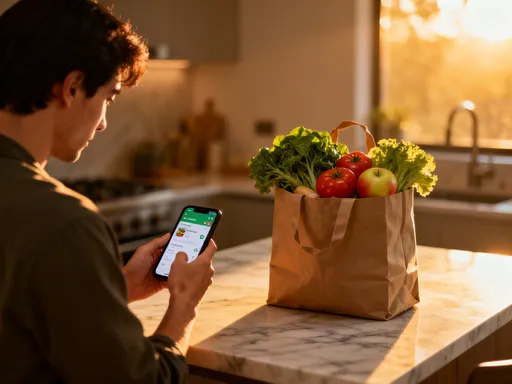
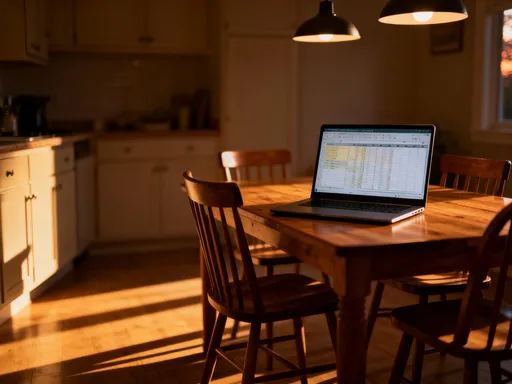
Picture this: it’s 7:30 p.m., the kids are finally asleep, and you’re standing in your kitchen, barefoot, staring at your phone. The glow of the screen lights up your face as you tap through your usual grocery app, adding chicken, broccoli, and almond milk to your cart. Everything’s efficient. Everything’s convenient. And yet, something feels… quiet. Too quiet. You realize you haven’t had a real conversation with another adult all day. Not a deep one, anyway. And you’re not imagining it—this kind of quiet loneliness is becoming more common, even in homes filled with noise and activity.
Studies from organizations like Cigna and the American Psychological Association have shown that loneliness has been rising steadily over the past decade, cutting across age, income, and geography. It’s not just retirees or people living alone. It’s busy moms juggling work and school pickups. It’s professionals logging long hours from home. It’s new parents who haven’t left the house in days. We’re surrounded by technology that promises connection, but so much of it leaves us feeling more isolated. We text instead of call. We scroll instead of speak. We shop online instead of chatting with the cashier at the store. Convenience has its rewards, but it comes at a cost—the slow erosion of casual, human moments that once stitched our days together.
And grocery shopping? It used to be one of those everyday rituals where you might bump into a neighbor, share a laugh over a wilted bunch of cilantro, or get a tip from someone about the best time to buy strawberries. Now, it’s often a silent, solo experience—just you, your phone, and a delivery arriving at your door with no human interaction at all. But here’s the good news: what if the very tool that’s contributed to that isolation—the grocery app—could also be part of the solution?
From Transactions to Connections: A Shift in Purpose
For years, grocery delivery apps were built with one goal in mind: speed and efficiency. Get the food from point A to point B with as few clicks as possible. But what if these platforms could do more than just deliver groceries? What if they could also deliver connection? The truth is, food has always been a connector. Think about it—some of your warmest memories probably involve a kitchen, a shared meal, or a recipe passed down from someone you love. Food is emotional. It’s cultural. It’s personal. So why should the way we buy it feel so transactional?
A quiet shift is already happening. Some grocery platforms—especially those focused on local, organic, or farm-to-table models—are starting to build features that go beyond shopping lists. Instead of treating users as isolated customers, they’re beginning to see them as members of a community. These aren’t futuristic ideas or experimental tech—they’re real, working features you can find today. For example, some apps now allow you to see what your neighbors are ordering, not to spy, but to discover new seasonal items or get inspired by local tastes. Others let you join a ‘community box’ where a group of families shares a bulk order from a nearby farm, cutting costs and creating a natural reason to connect.
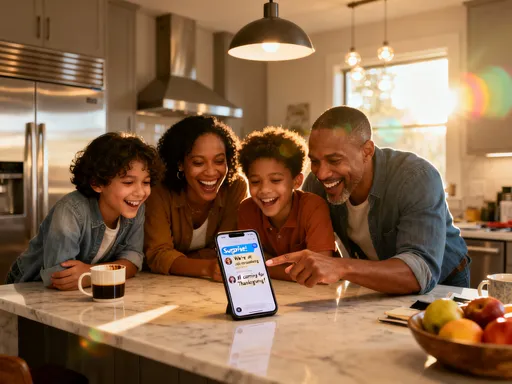
It’s not about turning your grocery app into a dating site or a social network. It’s about designing small, thoughtful moments where technology supports—not replaces—human interaction. Imagine getting a notification that says, ‘Your neighbor Sarah just added roasted garlic hummus to her order—want to try it?’ Or seeing a note from a local apple grower explaining why this week’s harvest is extra sweet. These tiny touches don’t take much time, but they make the experience feel warmer, more personal, and yes—more human. The shift isn’t radical. It’s gentle. And it starts by asking a simple question: what if the apps we use every day could help us feel seen, not just served?
Real Stories: How Strangers Met Over Seasonal Avocados
Let’s talk about Maria from Portland. She started using a local produce delivery app when her second child was born and she suddenly had no time to go to the market. One week, she ordered a box of seasonal fruit and noticed a note in the app: ‘So glad you love Meyer lemons! A few others in your neighborhood are ordering them too—want to join a recipe thread?’ She clicked, shared her favorite lemon curd recipe, and within days, was exchanging messages with three other women who lived within ten minutes of her. They started a mini-cooking club, sharing photos of their dishes and tips for dealing with picky eaters. Six months later, they met in person for the first time at a local farmers’ market—and now, they take turns hosting monthly potlucks.
Or take James, a retired teacher in Austin, who began using a farm-share app after his wife passed away. He wasn’t looking for friends—he just wanted fresh vegetables. But when the app introduced a feature called ‘Cooking Companions,’ where users could opt in to exchange cooking tips and meal ideas, he found himself typing a comment on a post about roasted beets. Someone replied, then another. Slowly, he started looking forward to those little exchanges. He joined a virtual tea chat hosted by the app’s community team and ended up connecting with two other retirees who also loved gardening. They now trade seeds, share harvests, and check in every Sunday night with a quick voice note.
And then there’s the story of a small group of single parents in Minneapolis who discovered each other through a group ordering feature. They realized they were all buying the same organic baby food pouches and snacks. One mom joked in the app’s forum, ‘We should start a support group!’—and someone actually created one. They now rotate weekly deliveries, split costs, and use the time when the delivery arrives to chat on the porch, coffee in hand. No grand gestures. No pressure. Just real, simple moments of connection built around something they all care about: feeding their families well.
These aren’t isolated cases. They’re signs of something deeper—a quiet hunger for belonging that’s being met in unexpected places. And the common thread? Food. Shared values. And technology that’s designed to open doors, not close them.
Designing for Togetherness: Features That Foster Friendship
You might be wondering—what exactly makes these connections possible? It’s not magic. It’s thoughtful design. And the good news is, many of these features already exist in real, widely used platforms. They’re not flashy or complicated. In fact, they work best when they feel natural, almost invisible. Let’s break down a few of them.
First, there’s the group ordering feature. You’ve probably seen it—‘Join a box with your neighbors and save 15%.’ On the surface, it’s about savings. But underneath, it’s about shared experience. When you know others are getting the same delivery, it creates a sense of belonging. Some apps even let you see who’s in your group (if they opt in), so you might notice that your next-door neighbor is also getting the kale and quinoa bundle. That small bit of awareness can be the seed of a conversation.
Then there’s the community forum or recipe swap. These aren’t like busy social media feeds. They’re quieter, more focused spaces where users talk about food, cooking, and seasonal eating. Some apps moderate these spaces to keep them supportive and kind, which makes them feel safe—especially for people who are shy or new to the platform. You can post a question like, ‘How do I get my kids to eat Brussels sprouts?’ and get real, practical advice from other parents who’ve been there. Over time, you start recognizing names. You look forward to certain voices. And before you know it, you’re not just getting dinner ideas—you’re feeling part of something.
Another powerful feature is the local producer spotlight. Instead of just listing ‘organic carrots from Farm X,’ the app might include a short video or note from the actual farmer—talking about their family, their land, or why they love growing rainbow chard. This humanizes the supply chain and helps users feel more connected to where their food comes from. Some platforms even host live Q&A sessions where you can ask the farmer questions in real time. These moments don’t just educate—they build trust and warmth.
And let’s not forget the simple power of a shared note. Some delivery services now allow you to include a handwritten-style message with your order—like ‘Hope you enjoy the peaches!’—that goes to everyone in your delivery zone. It’s a tiny gesture, but it can spark a reply, a smile, or even a new friendship. These features don’t force connection. They invite it. And that’s what makes them work.
Your Role in the Connection: Small Actions, Big Impact
Here’s the truth: technology can open the door, but you have to walk through it. No app can force a friendship. But it can create the conditions where one might grow. And sometimes, all it takes is one small action to start something beautiful.
Maybe it’s as simple as replying to a post in the app’s community feed. Someone shares a photo of their zucchini bread and writes, ‘First time trying this recipe—hope it’s not a disaster!’ You could just scroll past. Or you could comment, ‘Looks amazing! I love adding walnuts—have you tried that?’ That one sentence does more than share a tip. It says, ‘I see you. I’m here.’
Or maybe you could start a virtual cooking night. Pick a recipe from the app’s seasonal menu, invite a few people from your group order, and cook together over video chat. You don’t have to be a chef. You don’t even have to turn on your camera if you’re not up for it. But sharing the experience—laughing when the sauce burns, celebrating when the cake rises—creates a bond that goes beyond food.
Another idea: leave a kind note. If your app allows it, write a little message with your delivery—something like, ‘Hope your week is off to a good start!’—and send it to your neighbors in the group. You’d be surprised how far a small gesture can go. One woman in Colorado started doing this and received a handwritten thank-you card in return from a neighbor she’d never met. They now meet for walks every Thursday morning.
The key is to start small. You don’t have to host a big event or become the community leader. Just show up. Be kind. Be curious. Ask a question. Share a story. These tiny acts of visibility—both seeing and being seen—are the building blocks of real connection. And the more you do it, the more natural it feels.
Beyond the App: Building Community in Real Life
Here’s the beautiful part: once the digital connection is made, it often flows into real life. It’s not forced. It’s not awkward. It happens naturally, like a recipe rising in the oven.
Take the group in Seattle who started as a dozen users sharing a farm box. They began chatting in the app, then moved to a private messaging group, then organized their first meetup at a local farmers’ market. Now, they host quarterly potlucks where everyone brings a dish made with ingredients from their shared delivery. They’ve become each other’s support system—babysitting when someone’s sick, sharing rides to appointments, celebrating birthdays with homemade cakes.
Or the women in Raleigh who connected over a love of spicy food. They started swapping hot sauce recipes in the app’s forum, then decided to host a ‘Chili Cook-Off Night’ via Zoom. The next year, they did it in person—in someone’s backyard, with kids running around and music playing. Now, they call themselves the ‘Spice Sisters’ and meet monthly for cooking and conversation.
And then there’s the gardening group in San Diego—retirees and young parents alike—who used the app’s seasonal planting guide to start a community garden in a vacant lot. The app didn’t plan it. It just gave them the starting point: a shared interest in fresh, homegrown food. From there, the community took over.
What’s powerful about these stories is that the technology fades into the background. It was the spark, but the relationships are what last. And that’s the goal—not to make apps more social, but to make our lives more connected. Because at the end of the day, we don’t just need groceries. We need each other.
Reimagining Daily Tech: Tools That Feed More Than Just Bodies
So what does this mean for the future of the tools we use every day? It means we can start asking more of them. We can choose platforms that don’t just save us time, but also enrich our lives. We can support companies that design with care, that value community as much as convenience, and that remember technology works best when it serves people—not the other way around.
It also means rethinking our own role. We don’t have to be passive users. We can be active participants in building the kind of world we want to live in—one where a simple grocery order can lead to a new friend, a shared meal, or a moment of belonging.
Imagine opening your app tomorrow and seeing not just a list of items, but a message from someone who tried your favorite recipe and loved it. Imagine getting a notification that says, ‘Your community box is ready—and so is a porch chat at 5 p.m. with your neighbors.’ Imagine feeling, for the first time in a long while, that you’re not just feeding your family—but feeding your heart, too.
That’s not science fiction. That’s happening right now, in small, quiet ways, all over the country. And it starts with a simple idea: what if the tools we use to survive could also help us thrive? What if, in our quest for efficiency, we didn’t lose touch with what really matters—connection, care, and the simple joy of sharing a meal with someone who gets it?
The future of technology isn’t just about being smarter. It’s about being more human. And that’s a future worth logging into.