I Kept Saying 'I’ll Start Tomorrow'—Then Habit-Tracking Apps Taught Me to Stop Lying to Myself
We’ve all been there—dreaming of painting, playing guitar, or finally learning a language, only to let days slip by with no progress. I did too, until I discovered how tiny tech tools quietly reshape big life goals. These apps didn’t just track my hobbies—they held me accountable, celebrated small wins, and turned “someday” into “today.” In this article, I’ll walk you through how interest-based learning apps became my quiet companions in personal growth, and how they can help you finally do what you’ve always wanted to try.
The Dreamer’s Dilemma: Why We Keep Postponing Our Passions
Remember that beautiful sketchpad you bought with such excitement? The one with the linen cover and thick, creamy pages? I still have mine—sitting on my shelf, untouched, a quiet monument to good intentions. Or how about the ukulele gathering dust in the corner, its case still smelling faintly of new plastic? We’re not alone. So many of us carry dreams tucked away like old photographs—faded, cherished, but rarely acted on. The truth is, we don’t fail because we lack talent or desire. We fail because the gap between wanting to do something and actually doing it feels too wide to cross.
Life doesn’t make it easy. Between school pickups, grocery lists, laundry that never ends, and the mental load of just keeping everything afloat, there’s little room left for “me time.” And even when we carve out a few precious minutes, guilt sneaks in. Shouldn’t I be folding clothes instead? Or worse, we start with enthusiasm—maybe even spend money on supplies—only to lose momentum when progress feels invisible. We tell ourselves, “I’ll do it tomorrow,” and then tomorrow becomes next week, and next week becomes never. That phrase—“I’ll start tomorrow”—became my personal mantra, a polite lie I told myself every single day.
But here’s what I’ve realized: the problem isn’t laziness. It’s structure. Our brains love comfort and resist change. Starting something new requires energy, focus, and consistency—three things that are in short supply when you’re juggling family, work, and the endless to-do list of adulting. We don’t need more willpower. We need support. And that’s where technology stepped in, not as a flashy gadget, but as a quiet, consistent partner in my personal growth.
Meet the App That Acts Like a Patient Best Friend
I used to think habit-tracking apps were just for fitness fanatics or productivity nerds—cold, judgmental tools that would scold me for missing a day. But the ones I found were nothing like that. Instead, they felt like a kind, patient friend who believed in me even when I didn’t. No guilt. No shame. Just gentle nudges, like a soft tap on the shoulder saying, “Hey, remember that thing you wanted to try?”
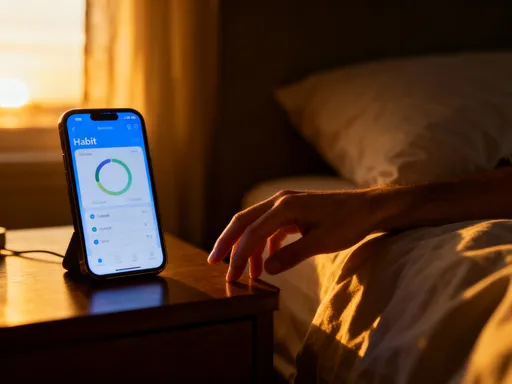
One morning, after weeks of ignoring my sketchpad, my phone buzzed with a simple message: “It’s been 12 days since you drew. Want to try just 5 minutes today?” That’s it. No pressure. No lecture. Just an invitation. And something about the tone—warm, understanding, not demanding—made me say yes. I opened the app, set a timer, and sketched a coffee cup. It wasn’t art. It wasn’t even good. But I did it. And the app celebrated it with a cheerful animation and a message: “You’re building a habit. Way to show up.”
That moment changed everything. It wasn’t about the drawing. It was about being seen. The app didn’t care if my lines were shaky or my shading uneven. It only cared that I showed up. And slowly, that small act of showing up started to build something bigger: trust. Trust in myself. Trust that I could follow through. The app didn’t replace my motivation—it created the conditions for motivation to grow. It became my quiet accountability partner, always there, never angry, always ready to welcome me back.
From Overwhelm to One Small Step: How Apps Break Down Big Dreams
One of the biggest reasons we give up on hobbies is because we set the bar too high. We think learning a language means becoming fluent in six months. We believe playing piano requires hours of daily practice. We imagine painting like a pro after one online course. And when reality doesn’t match that fantasy, we quit. But what if we didn’t have to do it all at once?
This is where habit-tracking and learning apps shine. They don’t ask you to run a marathon. They ask you to take one step. Just one. My language app didn’t say, “Study for an hour.” It said, “Learn three new words today.” That’s it. Three words. And when I did, it gave me a little sparkle on the screen and a warm “Great job!” The next day, it asked for four. Then five. No pressure, no guilt if I skipped, just a steady, gentle rhythm.
What I didn’t realize at first was that this tiny step was part of a much smarter system. These apps use something called micro-tasking—breaking big, scary goals into tiny, doable actions. Instead of “learn guitar,” it’s “practice one chord for two minutes.” Instead of “write a novel,” it’s “write one paragraph.” And because the task is so small, it feels almost too easy to say no. But doing it builds momentum. It’s like rolling a snowball—small at first, but growing as it goes.
And here’s the magic: every time I completed a micro-task, my brain got a little hit of dopamine—the feel-good chemical. That’s why those little badges and progress bars work. They’re not childish. They’re neuroscience. They train your brain to associate effort with reward. Over time, I stopped needing the external praise. I started craving the feeling of completion. The app didn’t just change what I did—it changed how I felt about doing it.
Your Hobby, Your Timeline: Personalization That Respects Your Life
One of the things I love most about the apps I use is that they don’t treat everyone the same. They understand that life isn’t one-size-fits-all. I’m not a 25-year-old with no kids and flexible hours. I’m a mom who sometimes only has five minutes between dropping the kids at school and starting work. And these apps get that.
When I set up my goals, I could tell the app my schedule. “I’m busiest on Tuesdays and Thursdays,” I typed. “I usually have time in the mornings or late evenings.” It adjusted. Instead of sending reminders at noon, it asked, “Want to sketch before bed?” on a quiet Friday. It even let me mark days when I knew I’d be too busy—like family birthdays or school events—and it wouldn’t bug me. No red Xs. No guilt. Just flexibility.
Some apps also let me choose my learning pace. Want to go slow? No problem. Want to dive in deeper on a topic you love? The app adapts. I remember one week I got really into watercolor techniques. Instead of sticking to the usual plan, the app noticed my interest and suggested extra videos and challenges. It felt like having a personal coach who actually paid attention.
And for those chaotic days when the internet’s down or I’m traveling, many of these apps let me download lessons or track habits offline. I could mark “done” on my phone and it would sync later. No stress. No excuses. The tech worked around my life, not the other way around. That made all the difference. It wasn’t about fitting my life into the app. It was about the app fitting into my life.
Progress You Can Actually See—And Feel Proud Of
One of the hardest things about starting a hobby is that progress is invisible—at least at first. You don’t wake up fluent in French. You don’t suddenly paint like Van Gogh. And without visible results, it’s easy to feel like you’re not getting anywhere. That’s why seeing your progress matters so much.
My habit-tracking app shows me a simple calendar with green dots for each day I complete a task. At first, it was just a few dots here and there. But then I saw a streak—five days in a row. Then ten. Then twenty. That row of green dots became something I didn’t want to break. It wasn’t about perfection. It was about continuity. And one day, I caught myself thinking, “I’ve drawn every day this week. I’m actually someone who draws.”
That shift—from “I’m trying to draw” to “I am a person who draws”—was huge. It wasn’t just about the skill. It was about identity. The app helped me see myself differently. And it wasn’t alone. Many of these tools use charts, badges, and milestone messages to make progress tangible. “You’ve completed 50 Spanish lessons!” or “100 days of journaling—amazing!”
At first, I thought those messages were a bit cheesy. But over time, I realized they served a real purpose. They made me pause and say, “Wow, I did that.” In a world where we’re constantly rushing to the next thing, these little celebrations forced me to appreciate what I’d already done. They reminded me that growth isn’t always loud. Sometimes, it’s quiet. It’s consistent. It’s showing up, day after day, even when no one’s watching.
When Life Gets Busy, the App Doesn’t Give Up on You
Let’s be real—life happens. There are sick kids, work emergencies, days when you’re just too tired to do anything but collapse on the couch. And that’s okay. The beauty of the best habit-tracking apps isn’t that they expect perfection. It’s that they respond with compassion when you fall off.
After a particularly rough week, I hadn’t opened my drawing app in eight days. I expected a harsh message: “You broke your streak!” But instead, I got a soft chime and a message: “We miss you. No pressure—just thought you might want to try again.” That small act of kindness made me want to return. It didn’t shame me. It invited me back.
Some apps even have “reset prompts” that help you restart without losing your history. You can say, “I need a fresh start,” and the app adjusts, keeping your past progress but letting you begin anew. It’s like saying, “You’re human. It’s okay. Let’s try again.”
And that’s what makes these tools different from old-school planners or guilt-based systems. They’re not about punishment. They’re about resilience. They teach you that one missed day doesn’t erase all your effort. What matters is not how many times you fall, but how many times you get back up. And having a tool that gently encourages you to rise again—without judgment—makes all the difference.
Building a Life You Love, One Tiny Habit at a Time
Looking back, I realize that these little apps didn’t just help me learn new skills. They helped me rebuild my relationship with myself. They taught me that I’m capable of showing up, even in small ways. That consistency matters more than intensity. That progress doesn’t have to be loud or fast to be real.
Today, I’m not a professional artist. I don’t speak fluent French. But I’m someone who draws. Someone who learns. Someone who shows up for herself. And that feels like a victory. These tiny daily actions—five minutes of sketching, three new words, one chord on the guitar—have added up to something bigger: a life that feels more intentional, more joyful, more like my own.
The tools are here. They’re simple, accessible, and designed with real life in mind. You don’t need a perfect schedule or endless motivation. You just need to begin—today, not tomorrow. Open the app. Set a timer. Do one small thing. Let the tech hold your hand, cheer you on, and help you see your progress.
You’re not behind. You’re not broken. You’re exactly where you need to be to start. And the most beautiful part? It’s never too late to begin again. Your dream isn’t too small. Your time isn’t too limited. You are worthy of learning, growing, and creating—just as you are. So go ahead. Take that one tiny step. The rest will follow.