It’s Not Just a Call: How Video Chat Apps Quietly Transformed My Fitness Routine
Stuck on the couch, scrolling past workout videos I’d never try, I used to think fitness was for the disciplined—or the lucky. But then something shifted. It wasn’t a fancy gym or a strict diet. It was simply showing up on a screen for someone else. Turns out, staying accountable, seeing a familiar face, and sharing small wins made all the difference. This is how video chat apps quietly became my most trusted fitness partner—no weights required.
The Moment I Realized Fitness Wasn’t Just About Willpower
I used to believe that getting fit was about discipline, early mornings, and pushing through pain. I’d set my alarm for 6 a.m., lay out my workout clothes the night before, and promise myself this was the week I’d finally stick to it. But by Wednesday, life would get in the way—kids needing help with homework, a work deadline, or just feeling too tired after a long day. I’d skip a day, then two, and soon the routine was gone. I blamed myself. I thought I lacked willpower, that I wasn’t strong enough or focused enough to make it work.
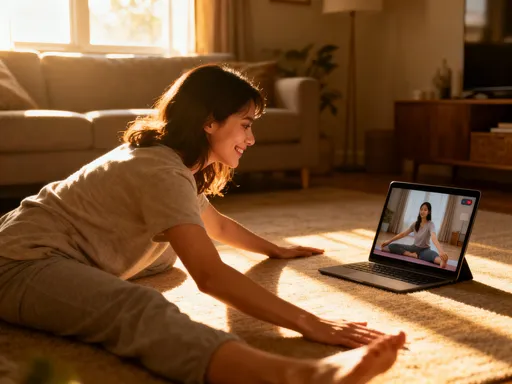
But after months of failed attempts, I realized the real missing piece wasn’t motivation—it was connection. The loneliness of solo workouts made it too easy to quit. There was no one to notice if I showed up or not. No one to cheer when I made progress. No one to miss me if I disappeared. One evening, after skipping my third workout in a row, I called a friend just to talk. We hadn’t planned anything, but as we chatted, she mentioned she was about to stretch for 15 minutes. “Want to join me?” she asked. “Sure,” I said, not really expecting much. We turned on our cameras, sat on our living room floors, and followed a simple YouTube video together. I didn’t break a sweat. My form was far from perfect. But I showed up. And for the first time in weeks, I actually finished a movement session.
That small moment sparked a shift in how I saw fitness. What if staying consistent wasn’t about going it alone, but about staying seen? What if the real power wasn’t in pushing harder, but in knowing someone else was doing it with me? I started to wonder—could video chat be more than just a way to stay in touch? Could it actually help me move my body in a way that felt doable, even enjoyable?
Turning Video Calls into Daily Check-Ins That Actually Work
That casual stretch session with my friend changed everything. I realized I didn’t need a big commitment to make progress. I just needed consistency and connection. So I started small. I reached out to my sister and asked if she’d be up for a 10-minute morning call every day. “Not a workout,” I said. “Just a little stretch and check-in before the day starts.” She loved the idea. We both have busy mornings—kids, pets, work—but those 10 minutes became sacred. We call it our “rise and shine stretch.”
There’s no pressure. No judgment. Some days I’m still in my pajamas, hair a mess, barely awake. She might be sipping tea, her dog barking in the background. But we show up. We turn on the camera, sit on the floor, and follow a gentle routine—nothing fancy, just moving our bodies in a way that feels good. We don’t always do the same thing. Sometimes we stretch. Other times we do a few seated twists or shoulder rolls. It’s not about intensity. It’s about showing up together.
What surprised me most was how much easier it became to stay consistent. On days when I didn’t feel like moving, I’d remember—my sister is waiting. She’s counting on seeing me. That simple thought pulled me out of bed more than any alarm ever could. The screen didn’t judge my messy hair or imperfect form. It just held space. And over time, those 10-minute calls became non-negotiable, not because they were intense, but because they were relational. The app wasn’t just a tool—it became a gentle reminder that someone was expecting me.
This small habit started to ripple into other parts of my day. I felt more alert in the morning. I had better posture. I was more aware of how my body felt. And the best part? I wasn’t doing it alone. That sense of being seen, of being part of something small but meaningful, made all the difference.
Building a Low-Pressure Workout Buddy System Without Leaving Home
Once I saw how much those morning calls helped, I wondered—what if I could build a whole support system around this? So I reached out to two close friends and asked if they’d be interested in a weekly “movement meet-up” over video. No pressure, no expectations. Just a chance to move together, even if it was just for 20 minutes. Both said yes. We decided to meet every Sunday evening, a time that worked for all of us.
We didn’t aim for high intensity. Some weeks, we followed a gentle yoga flow. Other times, we just walked around our homes while staying on camera—lunge steps in the hallway, calf raises by the kitchen counter, arm circles in the living room. The beauty was in the simplicity. There was no commute. No need to pack a gym bag. No embarrassment if I couldn’t keep up. If one of us felt tired, we adjusted. We’d slow down, switch to seated movements, or even just talk and breathe together.
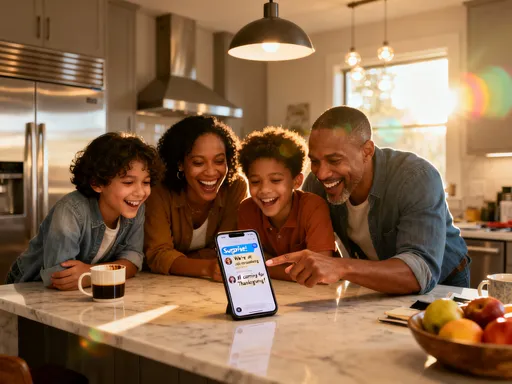
The goal wasn’t to burn calories—it was to show up and stay connected. We laughed when we lost balance. We cheered each other through tough moments. We celebrated tiny wins—like finally touching our toes or making it through a full session without pausing. Those moments mattered. And the video call made it possible. We could see each other’s faces, share real-time encouragement, and feel like we were in it together, even though we were miles apart.
This little group became something I looked forward to all week. It wasn’t just about fitness—it was about friendship. It felt natural, not forced. And because there was no pressure to perform, I actually wanted to be there. The app didn’t replace in-person meetups, but it gave us a way to stay close, even when life kept us apart. It turned movement into a shared experience, not a solo chore.
Using Screen Time to Reduce Stress, Not Add to It
We hear so much about screen time being draining—how it pulls us into endless scrolling, comparison, and mental fatigue. And it’s true. I’ve lost hours to mindless browsing, feeling more anxious afterward, not less. But what if screen time could be different? What if it could actually help us feel more grounded, more present, more connected?
That’s exactly what happened with our video fitness calls. Instead of doomscrolling, I started scheduling “breathe and move” calls with my cousin. We’d set a 20-minute timer, turn on the camera, and just begin. Sometimes we followed a guided breathing exercise. Other times, we did light stretches while talking through whatever was on our minds—work stress, family stuff, just life. The camera created presence. I wasn’t alone in my struggle to stay active or calm. Seeing someone else breathe slowly, move gently, reminded me that rest is part of fitness too.
Those calls became my emotional reset. On days when I felt overwhelmed, that 20 minutes was a sanctuary. I didn’t have to fix anything. I didn’t have to be productive. I just had to show up and be with someone who cared. And that made all the difference. The app didn’t replace self-care—it became part of it. It gave me a way to pause, reconnect with my body, and feel supported—all without leaving my living room.
What I love most is that this kind of screen time leaves me feeling nourished, not drained. It’s not about consuming content. It’s about creating connection. And in a world where so much of our digital time feels isolating, that’s a rare and precious thing.
Making Fitness Accessible When Life Gets in the Way
Life doesn’t always go as planned. Last year, I had a minor injury that kept me from leaving the house for a few weeks. I couldn’t go to the gym. I couldn’t even walk long distances. At first, I felt defeated. My routine was gone. I thought I’d have to wait until I was fully healed to do anything. But then I remembered—my fitness wasn’t tied to a place. It was tied to connection.
I reached out to a physical therapist who offered virtual sessions. She guided me through gentle rehab exercises over video, making sure my form was safe and effective. My friend sent me links to seated movement videos she’d found. My sister started joining me for our morning stretch, even shortening it when I needed to. On days when I had very little energy, I could sit upright in a chair and still participate. I didn’t have to be perfect. I didn’t have to push through pain. I just had to show up in whatever way I could.
The flexibility of video meant fitness wasn’t all-or-nothing. It adapted to my life, not the other way around. I learned that consistency isn’t about intensity—it’s about showing up, even in small ways. And those small moments added up. I stayed active. I maintained some strength. And most importantly, I didn’t lose the habit of caring for my body.
That experience taught me something powerful: fitness doesn’t have to look a certain way. It doesn’t require a gym, a trainer, or perfect health. It just requires a willingness to move—and a way to stay connected. Video calls made that possible, even when I was stuck at home.
Creating a Routine That Feels Like Connection, Not Chores
Now, my fitness routine doesn’t live in a gym—it lives in my contacts list. Monday is a walk-and-talk with my mom. We both step outside, phone in hand, and walk around our neighborhoods while chatting. Friday is a dance break with my niece over video. She picks the music, and we dance like no one’s watching—even though we’re very much watching each other. These moments don’t feel like exercise. They don’t feel like work. They feel like love.
And that’s the secret: when fitness is woven into relationships, it becomes sustainable. It’s not something I have to force myself to do. It’s something I look forward to. I’m not chasing a certain look or number on the scale. I’m showing up for the people I care about—and in doing so, I’m showing up for myself.
The app didn’t give me a six-pack. It didn’t make me run a marathon. But it gave me something better—joy, belonging, and a body I actually enjoy living in. I’m more aware of how I move. I have more energy. I feel stronger, not just physically, but emotionally. And I’ve realized that taking care of myself doesn’t have to be lonely or punishing. It can be warm. It can be kind. It can be shared.
These small, screen-based moments have become the heart of my wellness journey. They’ve taught me that fitness isn’t about perfection. It’s about presence. It’s not about doing more. It’s about feeling more—connected, supported, seen.
Why This Isn’t Just About Fitness—It’s About Living Better
Looking back, the real transformation wasn’t physical. Yes, I have more energy. Yes, I move more easily. But the deeper change was emotional. I stopped chasing perfection and started valuing presence. I stopped seeing fitness as a punishment for what I ate or how I looked, and started seeing it as a gift I give myself—and the people I love.
Video chat apps didn’t fix me. I wasn’t broken. They helped me stay connected—to myself and to others. And in that connection, I found strength, rhythm, and peace. I found a way to move that didn’t feel like a chore. I found a reason to show up, even on hard days. And I discovered that sometimes, the best motivation isn’t a goal or a timer—it’s knowing someone’s waiting to see you. Right where you are. In your pajamas. With messy hair. With a tired body. And that’s enough.
This isn’t a high-tech fitness hack. It’s not about the latest app or gadget. It’s a simple truth: human connection is powerful. It can inspire us, hold us accountable, and make even the smallest efforts feel meaningful. Technology didn’t change my life—how I used it did. By turning video calls into moments of movement and care, I turned screen time into self-care. I turned isolation into intimacy. I turned fitness into friendship.
So if you’ve been struggling to stay consistent, if you’ve felt alone in your efforts, if you’ve wondered whether you’re doing enough—maybe the answer isn’t to push harder. Maybe it’s to reach out. Pick up the phone. Turn on the camera. Invite someone in. Because sometimes, the most powerful workout isn’t the one that burns the most calories. It’s the one that fills your heart.