It’s Not Just About Limiting Screen Time: Apps That Helped Me Connect With My Kids Again
Parenting in the digital age often feels like a tug-of-war—between bedtime stories and tablet time, between family dinners and YouTube videos. I used to dread screen time battles, until I discovered that the right apps didn’t just set limits, they opened doors. Suddenly, we were talking more, playing together, even laughing during screen time. This isn’t about cutting kids off from technology—it’s about using it to reconnect, rebuild routines, and rediscover joy in everyday moments. Like so many moms I know, I once felt defeated by screens. But now? I feel hopeful. And honestly, more connected than I’ve felt in years.
The Screen Time Struggle Every Parent Knows
Let’s be real—how many of us have stood in the kitchen, heart sinking, as our child throws a full-blown meltdown because it’s time to put the tablet away? I’ve been that mom. I’ve crouched on the floor, whispering promises of extra story time if only they’d hand over the device. I’ve bargained, I’ve counted down, I’ve even resorted to gentle (okay, sometimes not-so-gentle) removal. And each time, I walked away feeling like I’d failed—not just as a parent, but as the keeper of connection in my home.
It wasn’t just the tantrums. It was the silence at dinner. The way my daughter would stare at her screen instead of sharing about her day. The way my son would retreat to his room after school, headphones on, lost in a world I couldn’t see. I started to wonder: are we living under the same roof, but in completely different worlds? The guilt crept in. Was I too tired to engage? Was I using screens as a digital babysitter? And worse—was I raising kids who didn’t know how to talk, play, or just be without a device in hand?
But here’s what I’ve learned: I wasn’t alone. So many of us are navigating this same tension. We love the convenience, the educational content, the occasional peace and quiet. But we also miss the eye contact. We miss the spontaneous giggles. We miss the feeling that our kids are truly present. The struggle isn’t a sign of bad parenting—it’s a sign of modern life. And the good news? It doesn’t have to stay this way.
How I Stopped Fighting the Screen—And Started Using It
The shift didn’t happen overnight. It started with a simple thought: what if I stopped seeing screens as the enemy and started seeing them as a tool? Not a replacement for parenting, but a support for it. That idea felt radical at first. I’d spent so much time trying to limit screen time that I’d never stopped to ask: how could screen time actually help me connect with my kids?
I began researching—not for ways to block everything, but for apps that encouraged interaction, structure, and even joy. I wanted tools that didn’t just say “no,” but helped us say “yes” to better routines, shared experiences, and real conversations. What I found surprised me. There were apps designed to turn screen time into family time. Apps that helped kids manage their own time. Apps that made mornings smoother and bedtimes calmer. The more I explored, the more I realized: it wasn’t about banning technology. It was about aligning it with our family values.
Let me be clear—this wasn’t about giving in. It was about getting smarter. I still set boundaries. I still protect quiet time, playtime, and face-to-face moments. But now, instead of constant battles, we have systems. Instead of power struggles, we have collaboration. And instead of me feeling like the screen police, I feel like a guide—someone helping my kids learn how to use technology in a way that serves them, not controls them. That shift in mindset? It changed everything.
The App That Transformed Our Mornings
Mornings used to be chaos. I’d wake up with the best intentions—healthy breakfast, calm vibes, everyone out the door on time. But by 7:15 a.m., someone was crying because they couldn’t find their shoes, another forgot their homework, and I was yelling about toothbrushing for the third time. It felt like herding cats, and I was always the one left exhausted before the day even began.
Then I discovered a family routine app that uses visual checklists and gentle audio cues. I set it up with simple icons: brush teeth, pack backpack, eat breakfast, put on shoes. Each task lights up when it’s time, and there’s a soft chime when it’s completed. The kids love the little animation that plays when they finish everything—like a tiny celebration just for them. But the real magic? It gave them autonomy. Instead of me nagging, the app reminded them. Instead of me chasing, they started checking the screen themselves.
One morning, my daughter ran into the kitchen, eyes wide. “Mom, I did my checklist all by myself!” she said, beaming. And in that moment, I realized something powerful: this wasn’t just about getting out the door faster. It was about building confidence. It was about teaching responsibility in a way that felt light, not heavy. And for me? It meant fewer corrections, less stress, and more space to actually enjoy those early hours. Now, we have time for a hug, a joke, or even a few deep breaths before the day begins. That’s not just convenience—that’s peace.
When Screen Time Became Family Time
I’ll admit it: I used to think all screen time was passive. That my kids were just absorbing content, not engaging with it. But then I found a storytelling app that changed my mind. It wasn’t just videos—it was interactive. We could choose what happened next in the story, record our own voices as characters, even draw pictures to add to the adventure. One rainy Saturday, I sat on the couch with my son, and we played through a pirate tale together. He picked the path, I made silly voices, and we both laughed until our sides hurt.
That moment taught me something important: not all screen time is created equal. Co-viewing and co-playing can turn a solitary habit into a shared experience. Instead of my kids zoning out, we were fully present—talking, imagining, creating together. The app didn’t replace board games or outdoor play, but it gave us another way to connect, especially on days when energy was low or weather kept us inside.
Now, we have “story nights” twice a week. We pick a theme—space explorers, magical forests, superhero families—and build a story together. Sometimes we record it and listen back later, giggling at our voices. My daughter even started writing her own stories on paper, inspired by what we do on the app. What began as a digital tool became a springboard for creativity, language skills, and, most importantly, connection. I’m not just managing screen time anymore—I’m using it to deepen our bond.
Bedtime Battles to Calm Routines: A Wind-Down Win
Remember those nights when bedtime felt like a war zone? The stalling, the “I’m not tired,” the sudden need for seven glasses of water? I used to dread the hour between dinner and lights out. My kids would be overstimulated from screens, bouncing off the walls, then crashing hard when it was finally time to sleep. And when they finally did drift off, I’d collapse on the couch, drained and wondering how we’d survived another round.
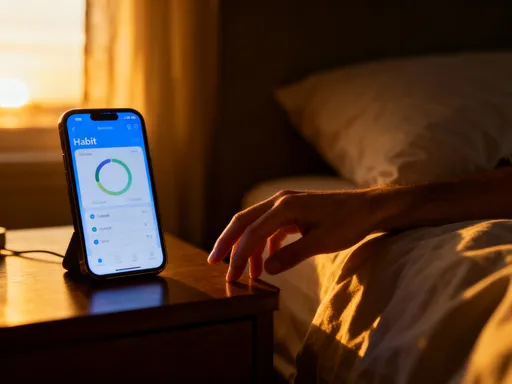
Then I discovered a wind-down app that combines calming music, dimming screen filters, and a gradual time warning system. We start 45 minutes before bed. The app plays soft nature sounds—gentle rain, ocean waves—and the screen slowly darkens, signaling that it’s time to slow down. There’s a five-minute warning chime, then a final “goodnight” message with a lullaby. I paired it with our existing routine: pajamas, brushing teeth, reading a book. But now, the transition felt smoother, almost natural.
The change was remarkable. Less resistance. Fewer tears. And better sleep—for everyone. My son started falling asleep faster. My daughter stopped waking up anxious in the middle of the night. And I? I could actually relax after they were in bed, instead of being on high alert for another round of stalling. But beyond the practical benefits, I noticed something deeper: our bedtime conversations improved. Without the frantic energy, we had space to talk about their day, their worries, their dreams. We started sharing little moments of gratitude. That quiet time became sacred—not just for rest, but for connection.
Teaching Responsibility Through Tech
One of the biggest parenting challenges? Getting kids to take ownership of their responsibilities. “Clean your room” used to be my least favorite phrase. It led to arguments, half-hearted attempts, and a lot of my energy spent following up. I wanted my kids to learn accountability, but I didn’t want to be the constant reminder. I wanted them to care—not because I said so, but because they felt proud of doing it themselves.
That’s when I introduced a chore-tracking app. It’s simple: each task has a checkbox and a reward point system. They earn stars for making their bed, feeding the pet, or helping set the table. The stars can be traded for things like extra playtime, a special outing, or a small treat. But here’s what surprised me—it wasn’t just about the rewards. It was about the sense of accomplishment. My son started checking the app on his own, asking, “What can I do to earn another star?” My daughter made a chart on her wall to track her progress.
More than that, this small system started teaching bigger lessons. Delayed gratification. Time management. The link between effort and outcome. I didn’t have to lecture about responsibility—she was living it. And because the app was digital, it felt modern and engaging, not like a chore chart from the 90s. We even started weekly “family meetings” to review progress and set new goals. It became a space for reflection, encouragement, and teamwork. Technology didn’t undermine our values—it helped us live them.
What We Gained Beyond Less Screen Time
Looking back, I realize I was chasing the wrong goal. I thought the solution was simply less screen time. But what I really wanted—and what I’ve finally found—is better time. More presence. More joy. More connection. The apps didn’t eliminate screens, but they helped us use them with intention. And in doing so, they gave us back something precious: each other.
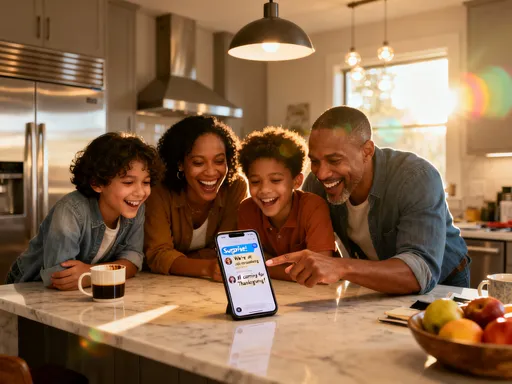
I see it in the little things now. My daughter looks up from her tablet to tell me a joke she just heard in a story. My son asks, “Can we play that adventure game together?” instead of disappearing into solo gameplay. We laugh more. We talk more. We’re calmer, even on busy days. And I feel more like a partner in my kids’ lives, not just a manager of their schedules.
This journey hasn’t been about perfection. There are still nights when screen time runs late. There are days when I rely on digital peace a little too much. But now, I have tools—and more importantly, a mindset—that help me course-correct with kindness, not conflict. I’ve learned that technology doesn’t have to pull us apart. When used with purpose, it can actually bring us closer.
If you’re in the thick of the screen time struggle, I want you to know: you’re not failing. You’re navigating a complex world with love and care. And you don’t have to choose between screens and connection. You can have both. Start small. Try one app. Focus on one routine. See what shifts. Because the goal isn’t to raise screen-free kids—it’s to raise confident, responsible, connected humans. And sometimes, the very tools we worry about can help us get there. Let technology be your ally, not your adversary. And let this be the moment you start building a calmer, more joyful family life—one thoughtful click at a time.