More than digital tickets: How smart organizing made my travels calm and clutter-free
Travel used to stress me out — scrambling for printouts, missing gate changes, or showing up late because I lost track of boarding times. Sound familiar? I’ve been there too. But everything shifted when I started treating electronic tickets not just as digital replacements, but as part of a smarter travel rhythm. It’s not about the tech itself — it’s about how it helps you move through journeys with less panic and more peace. Let me show you how simple tweaks transformed my trips from chaotic to seamless.
The Morning Chaos That Changed Everything
I’ll never forget that rainy Tuesday in March. I was headed to a family reunion — something I’d been looking forward to for months. My suitcase was packed, my outfit ready, and I even had breakfast lined up. But when I got to the airport, everything fell apart. I couldn’t find my boarding pass. I remember standing at the check-in counter, heart pounding, flipping through emails on my phone, muttering, "It has to be here somewhere." The agent gave me that polite but impatient look. I finally found it — buried under a promotional email from the airline — but not before missing my original boarding group. That small delay meant standing in the back of the plane, shoving my bag into an overhead bin that was already half-full, and starting the trip feeling frazzled and defeated.
And it wasn’t just that one time. Over the years, I’d missed train updates, shown up at the wrong event venue, and even double-booked a hotel room because I thought I hadn’t received confirmation. Each time, I blamed myself — "I’m just not organized," I’d say. But the truth was, I wasn’t failing. My system was. I was treating every ticket, reservation, and confirmation as a one-off event, a standalone message to be dealt with in the moment. I wasn’t organizing; I was reacting. And every time, the emotional cost was high — the anxiety, the shame, the feeling that I couldn’t keep up.
That rainy morning was my breaking point. I realized I wasn’t managing my digital life — I was drowning in it. And if I couldn’t handle a simple boarding pass, how could I manage everything else? That’s when I decided to stop blaming myself and start building a system that actually worked for me. Not a complicated one, not something that required hours of setup, but a real, practical way to stay on top of my travel plans — and my peace of mind.
From Digital Clutter to Clear Priorities
When I started looking closely at my inbox, I was shocked. In just one month, I’d received over 40 travel-related messages — flight confirmations, rental car bookings, concert tickets, hotel receipts, train schedules. They came from different airlines, booking platforms, and event organizers, each with its own format, subject line, and urgency. Some had QR codes, some were PDFs, others were just plain text. And the worst part? They were all mixed in with newsletters, receipts, and personal messages. No wonder I kept missing things.
I realized I needed to stop seeing these as just "emails" and start seeing them as parts of a bigger picture. So I created a simple mental framework: not all digital tickets are created equal. Some need immediate attention, some are for reference, and some are just backups. I started sorting them into three categories. First, the time-sensitive ones — like boarding passes or event entry tickets that I’d need within the next 48 hours. These got top priority. Second, location-based documents — things like hotel check-in details or museum reservations that I’d need once I arrived. And third, the backup confirmations — receipts, insurance details, or rental agreements that I might need later but didn’t require action now.
Once I had this system, I began organizing my digital space accordingly. I created labeled folders in my email: "Upcoming Travel," "Current Trip," "Past Trips." I also started using my calendar more intentionally. Instead of just listing flight times, I added event tickets, check-in reminders, and even shuttle pickups. Now, when I open my phone, I don’t have to search — everything I need is in one of two places: my calendar or my organized folders. The difference wasn’t just practical; it was emotional. I stopped feeling overwhelmed. I started feeling in control. And that shift — from chaos to clarity — made all the difference.
Choosing the Right Tools — Without Overcomplicating
When I first started this journey, I went a little overboard. I downloaded every travel app I could find — ones that promised to auto-sync my bookings, create itineraries, even track flight prices. But most of them were too flashy, too complicated, or just plain unreliable. One app crashed the night before a trip. Another failed to sync my hotel reservation. I realized I didn’t need more features — I needed fewer, better ones.
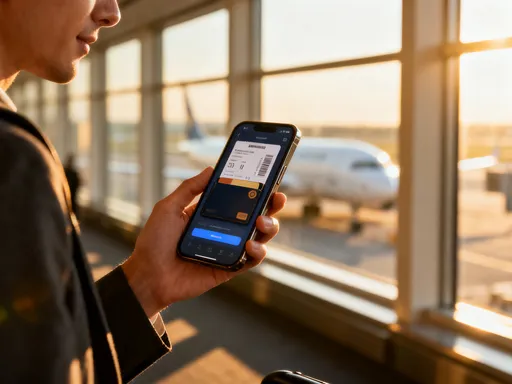
So I simplified. I asked myself: what do I actually need from a tool? Reliability. Simplicity. Accessibility. And most importantly, it had to work even when I didn’t have internet. That’s when I discovered the power of the tools I already had. My phone’s digital wallet — the same one I use for credit cards — became my go-to for active tickets. I started adding boarding passes, event QR codes, and train reservations directly to it. Why? Because it’s fast, secure, and works offline. No loading screens, no login delays — just tap and go.
For everything else, I use my calendar. But not just any calendar — I use color-coding to make things instantly recognizable. Blue for flights, green for hotels, yellow for events. I also add location tags so I can see at a glance where I need to be. And if I’m traveling with someone, I share the calendar with them — no more "Where are we meeting?" texts at the last minute. The beauty of this system is that it doesn’t require learning a new app or paying for a subscription. It uses tools that are already on my phone, already familiar. And because it’s simple, I actually stick with it.
Now, when I see a new booking confirmation, I know exactly what to do: add the time-sensitive details to my calendar, save the QR code to my wallet, and file the email in the right folder. It takes less than two minutes, and it saves me hours of stress later. I’ve learned that the best tech isn’t the fanciest — it’s the one that disappears into your routine, quietly doing its job so you can focus on what matters.
Building a Pre-Trip Routine That Actually Works
Before I had a system, my pre-trip routine was basically panic. The night before, I’d be scrolling through my inbox, double-checking times, printing out documents I probably didn’t need, and still going to bed with that nagging feeling: "Did I miss something?" It wasn’t just inefficient — it was exhausting. I was starting my trips already drained.
Now, I have a 24-hour prep ritual that’s become non-negotiable. It usually happens the morning before I leave — a quiet time when I can focus. I sit down with my phone and laptop, open my email, and go through every confirmation one by one. I verify flight times, check-in deadlines, hotel addresses, and any special instructions. If there’s a QR code, I save it to my digital wallet. If there’s a time-sensitive detail, I add it to my calendar with a reminder. I also download PDFs and save them in a dedicated folder on my phone — just in case I lose service.
One of the most helpful things I do is create a "Travel Snapshot" — a single note in my phone that lists all the key details: flight numbers, reservation codes, check-in times, and emergency contacts. I keep it at the top of my notes app, so it’s the first thing I see. It’s not fancy, but it’s saved me more than once. Once, when my phone battery died at the train station, I was able to borrow a charger, pull up my snapshot, and get back on track in seconds.
This routine takes about 20 minutes, but it pays off in peace of mind. I go to bed knowing I’m ready. And when I wake up, I’m not scrambling — I’m confident. I’ve set up my day so that everything flows naturally. It’s like laying down a path the night before, so I can walk it calmly the next day. And honestly? That small investment of time has made my trips feel less like chores and more like adventures.
Staying Calm When Plans Change
No matter how well you plan, travel doesn’t always go smoothly. Delays happen. Gates change. Trains get canceled. And when that happens, the real test of any system isn’t how it works when everything’s fine — it’s how it holds up when things go wrong.
I learned this last winter, when I was on my way to visit my sister for the holidays. I was on a regional train, and halfway through the journey, an announcement came over the speaker: "Due to unexpected weather conditions, this train will be rerouted. Please check your updated schedule." My heart sank. I had a connecting flight to catch, and I didn’t know if I’d make it in time.
But instead of panicking, I opened my digital wallet. My train reservation was right there, with my booking code and route details. I pulled up the airline’s app, checked my flight status, and saw it was delayed — which actually gave me a little more time. I used the train company’s app to rebook my leg of the journey, and within five minutes, I had a new seat assignment. I didn’t need to call customer service. I didn’t need to dig through emails. Everything I needed was in my pocket, organized and ready.
That moment was a game-changer for me. I realized that a good digital system doesn’t just prevent stress — it reduces it when things go wrong. It gives you the tools to adapt quickly, without losing your cool. And that’s when travel stops feeling like a series of potential disasters and starts feeling manageable. You’re not at the mercy of the system — you’re in control of it.
Sharing Smartly — Family and Group Travel Made Easier
Traveling with others can be wonderful — but it can also be messy. When I first started organizing my own trips, I didn’t think much about how it affected the people I traveled with. But then I went on a family vacation with my mom, two sisters, and three kids. Within 24 hours, I became the unofficial travel manager — the one everyone asked for ticket details, check-in times, and hotel information.
At first, I tried to share everything. I forwarded emails, sent screenshots, even printed out itineraries. But it didn’t work. People lost the info, asked the same questions over and over, and I ended up feeling resentful. I wasn’t enjoying the trip — I was managing it.
So I changed my approach. Now, when I travel with others, I share only what’s necessary — and only through secure, reliable methods. For example, I create a shared calendar that includes all the key times and locations. Everyone can see it, but only I can edit it. For tickets, I either add them to each person’s digital wallet (if they’re comfortable with that) or send a secure link via a trusted messaging app. I also keep a master list for myself — a backup in case someone loses access.
The key is balance. I want everyone to feel informed and confident, but I don’t want to become the only source of information. By setting up a clear, shared system ahead of time, I reduce confusion and free myself to actually enjoy the trip. And honestly? My family appreciates it too. They know where to look, and I’m not constantly being interrupted with questions. It’s a small shift, but it’s made group travel so much more pleasant for all of us.
How This Changed More Than Just Travel
Here’s the surprising part: once I got good at organizing my travel documents, I started applying the same principles to other areas of my life. I began using my calendar more intentionally — not just for trips, but for doctor’s appointments, school events, and even grocery shopping. I created folders for subscriptions, bills, and household maintenance. I started setting reminders for things like renewing my passport or checking my travel insurance.
It wasn’t a conscious decision — it just happened. The discipline of organizing my travel spilled over into everything else. I realized that the skills I’d learned — prioritizing, simplifying, planning ahead — weren’t just useful for trips. They were life skills. And the more I used them, the more confident I felt.
Now, when something new comes into my inbox — whether it’s a concert ticket or a dental appointment — I don’t just let it sit there. I process it. I decide where it goes, when I’ll need it, and how I’ll access it. That small act of intentionality has freed up so much mental space. I’m not constantly worried about forgetting things. I’m not starting each day in reactive mode. I’m in control.
And that, more than any app or tool, is the real gift of this system. It didn’t just make my travel easier — it made my life easier. It gave me time, clarity, and confidence. It reminded me that I don’t have to be perfect. I just have to have a system that works. And when you do, even the most complicated things — like a family vacation, a last-minute trip, or a train delay — become manageable. You’re not just surviving your day. You’re living it — calmly, clearly, and with peace of mind.